
DDC Tech Day | The Impact of Probiotics as Antibiotic Alternatives on Weaned Piglets' Performance and Diarrhea Rates
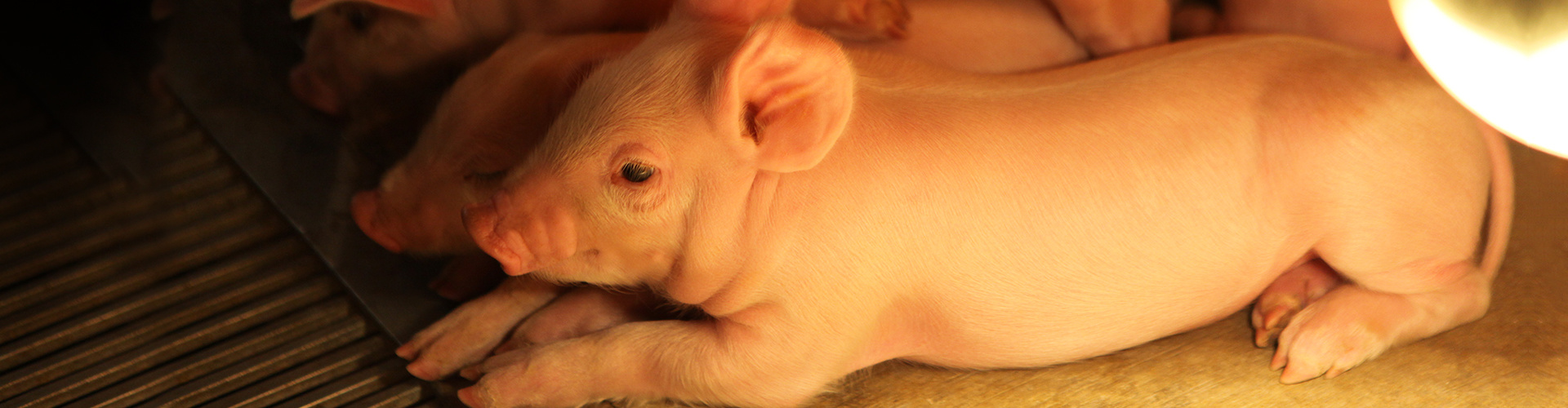
Piglet weaning is a critical period in swine production. The piglet's intestinal immune system typically... 4-7 Piglets typically achieve basic developmental maturity only by the end of their first week of life. As a result, during the early stages of weaning, piglets have low levels of both maternally-derived antibodies and robust cellular immunity. Moreover, the abrupt cessation of maternal immune antibody transfer leaves these young animals even more vulnerable, as their immature immune systems are further compromised under stress. Weaning stress can significantly reduce circulating antibody levels in piglets, suppress cellular immune responses, and lead to pronounced immunosuppression—making young animals particularly susceptible to opportunistic infections and diseases.
Antibiotics have demonstrated remarkable disease-prevention and growth-promoting effects, which is why, for decades, they have been widely used not only as therapeutic agents but also as feed additives in livestock production, bringing substantial profits to the industry. However, as the growing number of negative impacts resulting from antibiotic supplementation in animal feed has become increasingly evident, there has been a rising demand in recent years for green, environmentally friendly, safe, and highly effective alternatives to antibiotics. Extensive research indicates that probiotic formulations stand out as one of the most promising alternatives to antibiotics, playing a positive role in enhancing pig productivity and effectively controlling diseases. Probiotics offer a range of benefits, including restoring and maintaining intestinal microbial balance, boosting animal performance and immune function, and improving environmental conditions within livestock housing—thus presenting broad application potential in the farming sector.
Therefore, this experiment will utilize a high-yield bacteriocin-producing Enterococcus faecium strain isolated and identified by the Animal Nutrition and Feed Science Laboratory at Southwest Minzu University, which exhibits excellent safety profiles and antibacterial properties. B 13 Additionally, the commercialized composite probiotic powder was applied to weaned piglets, providing foundational data to explore the feasibility of using probiotic formulations as a viable alternative to antibiotics in weanling pig diets.
For more details, please click: Click here
Hot news
Website
Add: DadHank (Chengdu) Biotech Corp. No.123 Rongtai Avenue, National Cross-Strait Technology Industry Development Park, Chengdu, China, P.C:611130
Tel:+86-028-82633801