
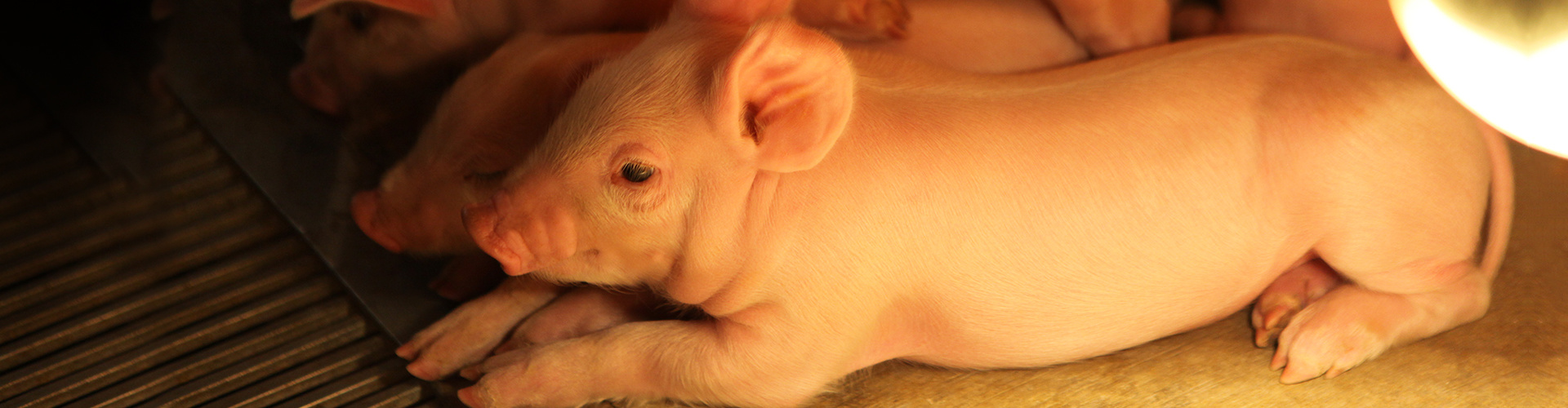
The Impact of Acidifiers on the Performance of Weaned Piglets
Abstract: Acidifiers are a green feed additive that boasts no antibiotic resistance, no residue, and no toxic side effects. Moreover, replacing or partially substituting antibiotic additives with acidifiers is indeed feasible. As research on acidifiers deepens and processing technologies advance, these additives will increasingly evolve toward functional applications—no longer just providing acidity for weaned piglets, but also showcasing their effective anti-mold properties in feed, while further enhancing their ability to promote growth. This makes acidifiers highly promising for future use in the industry.
Keywords: Acidifiers, weaned piglets, mechanisms, and application effects
1 Types and Mechanism of Action of Acidifiers
As public awareness of food safety issues continues to grow, China has already introduced stringent regulations that strictly limit the types of antibiotic additives allowed, as well as their usage and dosage. It’s only a matter of time before antibiotic additives completely fade from the scene. As one of the most promising alternatives, acidifiers are poised to play a crucial role in the future of sustainable, eco-friendly livestock farming.
Acidifiers include inorganic acidifiers, organic acidifiers, and composite acidifiers. Among the inorganic acidifiers, sulfuric acid, hydrochloric acid, and phosphoric acid are particularly prominent. Notably, sulfuric acid and hydrochloric acid are classified as strong acids; although they can quickly sink silage material and inhibit harmful bacteria when diluted, they also help reduce pH While both can lead to a negative calcium balance, disrupting the body's mineral metabolism and impairing skeletal development in animals, the strong corrosiveness of these acids also poses significant risks to human health. Phosphoric acid is a relatively safer acidifier, yet excessive use can still pollute the environment. In production practices, organic acids are predominantly employed, as they can directly participate in the body's tricarboxylic acid cycle. These include citric acid, fumaric acid, lactic acid, propionic acid, malic acid, acetic acid, and more—among which the first three are most widely used and deliver particularly effective results. Additionally, composite acidifiers, such as fully acidic and acid-salt combinations, have demonstrated positive effects on digestive activity and growth performance in weaned piglets.
Weaning piglets exhibit the following physiological digestive characteristics: Their digestive systems are underdeveloped, with insufficient secretion of gastric acid and digestive enzymes. Additionally, their gastrointestinal microbiota remain unstable, and their immune systems are immature and functionally weak, resulting in reduced disease resistance. Acidifiers can help lower the pH in the gastrointestinal tract. pH Values include enhancing the activity of digestive enzymes in piglets' gastrointestinal tract; acidifiers can improve the gut microbiota, slow down the rate at which food empties from the stomach, and promote efficient digestion. Additionally, they help strengthen animals' stress resistance, boost immune function, reduce the feed's acid-binding capacity, and may exert other beneficial mechanisms as well.
2 Research on the Application of Acidifiers in Weaned Piglets
Most suckling piglets have adopted early-weaning techniques, which have brought significant economic benefits to a wide range of farmers. However, premature weaning causes piglets to experience challenges after the separation from their mothers. 2~3 The pigs soon began experiencing diarrhea of varying degrees, which subsequently affected their growth and development, causing some piglets to become "stiff pigs" or even die. Currently, in China, it is common practice to implement strategies for managing piglets... 3 ~ 4 Weaning at the right age can easily lead to issues in piglets. “ Early Weaning Syndrome ” It manifests as symptoms such as reduced appetite, digestive dysfunction, diarrhea, growth retardation, and low nutrient conversion rates. Early-weaned piglets often suffer from insufficient secretion of gastric acid and digestive enzymes, leading to incomplete digestion of the daily feed intake. The undigested residues create an ideal breeding environment for pathogenic microorganisms, triggering diarrhea and negatively impacting the piglets' growth and development. On one hand, this is due to the immature digestive system of weaned piglets, resulting in inadequate gastric acid production; on the other hand, the dairy components in the feed fail to meet the nutritional needs of the piglets, further reducing lactic acid production and disrupting the gastrointestinal health of the young pigs. pH The values have significantly increased, further reducing the activity of digestive enzymes and limiting the activation of proenzymes, thus impairing the efficient digestion of protein-rich feeds such as fish meal and soybean meal. Additionally, piglets naturally suffer from limited digestive capacity due to their small gastrointestinal tract volume and short digestion time. While theoretically, certain feed-nutrition technologies could potentially extend the retention time of feed in the digestive tract, this approach remains highly challenging. Moreover, when feed digestibility is already low, prolonging digestion time may actually increase both the likelihood and severity of diarrhea in piglets. Acidifiers, meanwhile, help lower the pH in the gastrointestinal tract, creating a more favorable environment for optimal digestion. pH The role of activating pepsin and improving gastrointestinal microbiota, thereby enhancing growth performance in weaned piglets. Adding acidifiers to the diets of weaned piglets can compensate for insufficient gastric acid secretion, boost the activity of digestive enzymes, promote the proliferation of beneficial probiotics like lactobacilli, and inhibit the growth of harmful microorganisms, helping to overcome or alleviate weaning stress. Currently, this practice has become widely adopted in weaned piglet feed formulations. Research on incorporating organic acidifiers into piglet diets is actively underway. 20 Century 60 The research era has already begun, and in China, studies in this area have primarily focused on additive-effect investigations—though they started relatively late.
Jia Wait (2010) The study found that the sustained-release composite acidifier reduces intestinal pH Improving intestinal tissue morphology and function, thereby enhancing gut adaptability and immunity in weaned piglets, ultimately promoting piglet growth. Yan Jiayou et al. (2009) With Jia Wait (2010) The research findings are similar. Lin Yingcai et al. (2001) The study suggests adding to the diet 0.15 % of the compound acidifier enables 4–7 kg The numbers of Lactobacillus, Escherichia coli, and total bacteria in the piglets' small intestines all tended to increase. Notably, among the total bacterial population, the proportion of Lactobacillus rose while that of Escherichia coli declined, indicating that this compound acidifier not only directly affects the proliferation of intestinal bacteria in piglets but also exerts a significant influence on the balance of the gut microbiota. Zhu Wentao et al. (2004) It was also found that adding to the diet 2 %, 3 %, 4 % citric acid can significantly improve the apparent digestibility of organic matter and crude protein in the diet of weaned piglets. (P<0.05) Luna (2008) Acidifiers were added to the piglet diet respectively. 1(0.4 % phosphoric citric acid compound acid ) and acidifier 2(0.4 % phosphoric ferulic acid compound acid ) It was found to affect total protein and globulin in piglet serum, but the differences were not significant ( P > 0.05) Among them, the acidifier 2 increased albumin content by 18.74 %. (P<0.05) Li Jianping et al. (2010) Studied the effects of Schisandra and citric acid on blood biochemical indicators of growing and fattening pigs, and the experimental results were consistent with Luna. (2008) Wang Rongfa et al. found that acidifiers can significantly reduce blood urea nitrogen levels. (P<0.05) Luna (2008) Adding two acidifiers to the piglet diet reduced urea nitrogen content by 1.15 %. (P>0. ; 05) and 9.77 %. (P > 0.05) Adding acidifiers to feed can increase feed palatability, stimulate the secretion of more saliva by taste bud cells in the animal's mouth, thereby enhancing appetite, increasing feed intake and daily weight gain.
Mathew Wait (1991) Pointed out that after weaning piglets, 2d the number of lactobacilli in the ileum almost drops to zero, while the number of Escherichia coli significantly increases. (P<0.05) And it is positively correlated with the increase of ileal contents, pH piglets develop diarrhea, but adding acidifiers to piglet feed can significantly reduce the incidence of diarrhea. (P<0 . 05) 。Danie1son Wait (1989) Found that lactic acid can prevent Escherichia coli from binding to its receptors in the intestine, inhibiting the growth of Escherichia coli. Ravindran Wait (1993) and Roth Wait (1998) Pointed out that adding organic acids to the diet of weaned piglets changes the microbial flora qualitatively and quantitatively. Studies have found that acidifiers can inhibit the growth of harmful microorganisms by lowering gastrointestinal pH, pH promote the proliferation of beneficial bacteria, thereby aiding protein digestion in the diet ( Kirchgessner et al., 1982; Chapman ,1988; Koch, 2005 ). Fuuer (1989) Research shows that acidic conditions favor the growth of lactobacilli while inhibiting the growth of harmful microorganisms such as Escherichia coli. Li Wait (2008) Found that organic acids can improve the production performance of weaned piglets by regulating intestinal microbial flora. Kirchgessner Wait (1982) Reported that after adding ferulic acid to piglet feed, the digestibility of dry matter, energy, and protein increased by 1.7 %, 2.2 % and 2.5 %, and protein deposition increased by 4.1 %. Ecke1 Wait In (1992) (P reports, formic acid significantly increased nitrogen digestibility in the diet. 0.05) 。 < Hampson 1986 ( ) found that in the first few days after weaning, piglet intestinal villus height decreases, and net absorption of nutrients and electrolytes decreases ( ).
Nabuurs et al, 1994
3 In summary, acidifiers are widely used in the diet of weaned piglets and show many positive effects. This study investigated the application effects of acidifiers in the diet of weaned piglets and comprehensively evaluated the prospects of acidifier application.
Prospects for the application of acidifiers
Currently, there are many problems with acidifier products on the market, and developing new types of acidifiers is an inevitable trend. First, acidifiers can be used to replace antibiotics, addressing issues such as antibiotic residues and resistance. This replacement has both theoretical and practical basis, making this residue-free, non-resistant, non-toxic, and environmentally friendly additive highly valued. There is much research on the application of acidifiers, but since they are absorbed quickly in the stomach and their acidity has not been fully exerted, the development of microencapsulated formulations or lipid-protected coatings can solve this problem. In summary, acidifiers have good application prospects.
Hot news
Website
Add: DadHank (Chengdu) Biotech Corp. No.123 Rongtai Avenue, National Cross-Strait Technology Industry Development Park, Chengdu, China, P.C:611130
Tel:+86-028-82633801